


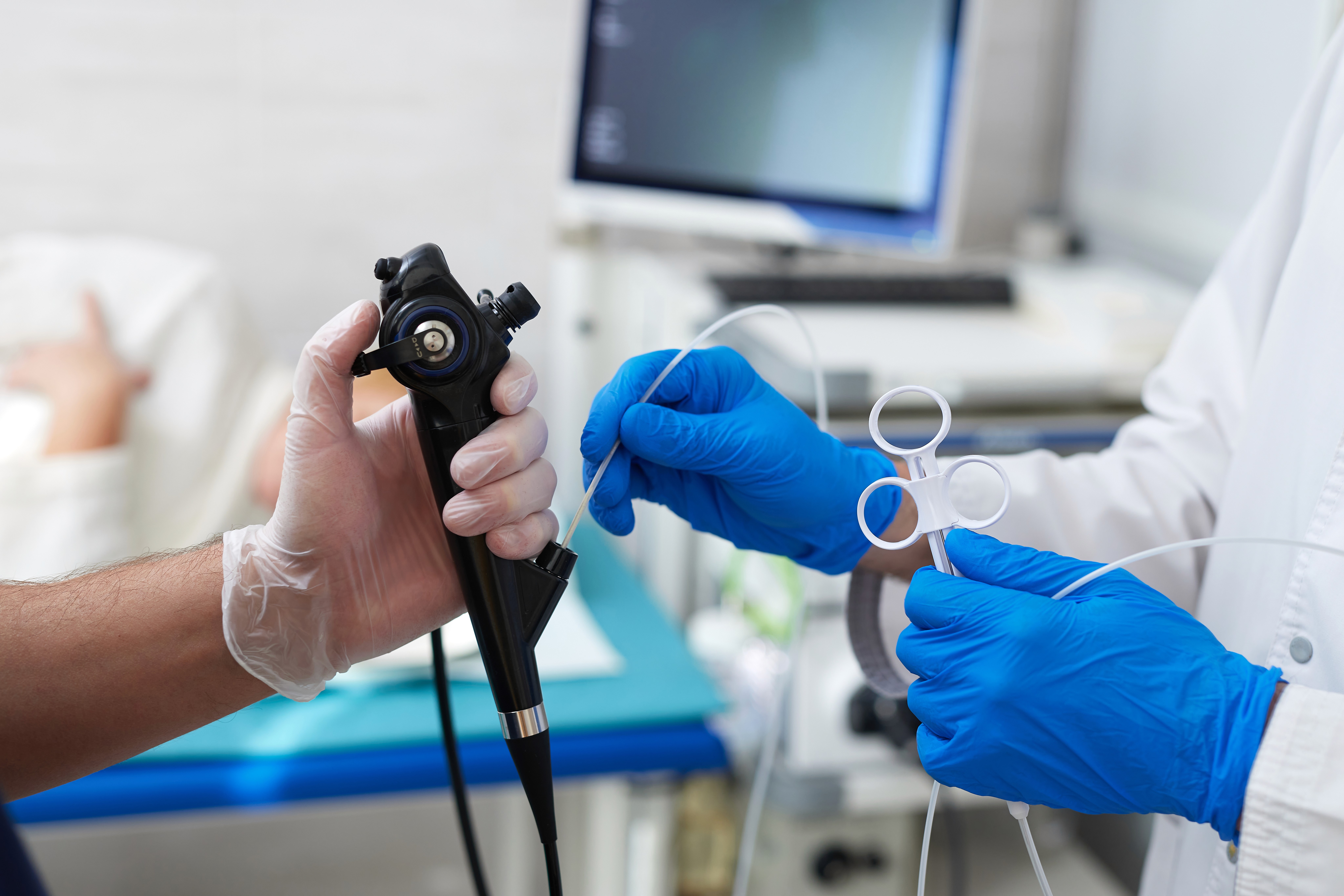
Colonoscopy is an endoscopic procedure used for diagnostic and, if necessary, therapeutic purposes, allowing for a detailed examination of the inner surface of the colon and rectum with a flexible device equipped with a camera. It is a modern method safely used in the early diagnosis and monitoring of intestinal diseases.
The procedure is performed under sedation supervised by an anesthetist to ensure patient comfort and prevent pain.
In Which Situations is Colonoscopy Performed?
Colonoscopy is performed for diagnostic and follow-up purposes in the following situations:
For the evaluation of inflammatory bowel diseases
In the case of rectal bleeding
When occult blood is detected in the stool
In cases of prolonged (chronic) diarrhea or constipation
When there is a suspicion of polyps in the intestine or when polyps need to be removed
In routine colorectal cancer screenings for individuals aged 50 and over
In the presence of unexplained abdominal pain or unintentional weight loss, especially when there is pain on the left side
In cases of unexplained anemia (iron deficiency anemia)
During the diagnosis, monitoring, and treatment process of colorectal cancer
When suspicious findings are detected in imaging methods
To view internal hemorrhoids
To assess the depth of an anal fistula
Preparation Before Colonoscopy
For a thorough evaluation of the colonoscopy, the bowels must be completely clean. Therefore, bowel-cleansing medications recommended by the doctor are used before the procedure, and enemas may be administered if necessary.
Solid foods should be stopped 24–48 hours before the procedure
The diet should be switched to liquids
Medications prescribed by the doctor should be used as directed
Inadequate cleansing can lead to missing polyps or lesions and may necessitate repeating the procedure.
How is Colonoscopy Performed?
The colonoscopy procedure takes an average of 30–60 minutes. After the procedure, the patient is observed for approximately 1 hour and is discharged on the same day. If necessary, a biopsy can be taken or polyps can be removed during the procedure.
Post-Colonoscopy
After the procedure, mild gas, bloating, or short-term discomfort may occur. This is usually temporary.
Avoiding strenuous exercise and resting for a few days is recommended.
The effects of anesthesia generally disappear completely within 24 hours.
In breastfeeding mothers, the milk expressed in the first 6 hours after colonoscopy, depending on the medications used during the procedure, should be discarded, and breastfeeding can then continue.