


Logo
Logo
Image
Downtime

BLOG

Patient Monitoring Systems: How Do They Work?

Image
Downtime

BLOG

Patient Monitoring Systems: How Do They Work?

Image
Downtime

BLOG

Patient Monitoring Systems: How Do They Work?

Jan 1, 2026

Primary Blog Image
Primary Blog Image
Primary Blog Image

In modern medical practices, the monitoring of a patient’s overall health status in real-time is just as crucial as diagnosis and treatment processes. Commonly found in hospital emergency rooms, intensive care units, and operating rooms, patient monitoring systems (bedside monitors) are medical technologies that enable uninterrupted observation of vital functions.

In this article, we will examine what patient monitoring systems are, what data they measure, and why they are important for patient safety.


What is a Patient Monitoring System (Monitor)?


Patient monitoring systems are devices that continuously measure vital signs, such as the patient’s heart rate, rhythm, blood pressure, blood oxygen level, and body temperature, and display this data numerically/graphically on the screen.

These systems alert healthcare professionals (doctors and nurses) to any sudden changes in the patient’s condition through auditory and visual alarms. In this way, the patient’s health status can remain under surveillance 24/7.

In modern medical practices, the monitoring of a patient’s overall health status in real-time is just as crucial as diagnosis and treatment processes. Commonly found in hospital emergency rooms, intensive care units, and operating rooms, patient monitoring systems (bedside monitors) are medical technologies that enable uninterrupted observation of vital functions.

In this article, we will examine what patient monitoring systems are, what data they measure, and why they are important for patient safety.


What is a Patient Monitoring System (Monitor)?


Patient monitoring systems are devices that continuously measure vital signs, such as the patient’s heart rate, rhythm, blood pressure, blood oxygen level, and body temperature, and display this data numerically/graphically on the screen.

These systems alert healthcare professionals (doctors and nurses) to any sudden changes in the patient’s condition through auditory and visual alarms. In this way, the patient’s health status can remain under surveillance 24/7.

In modern medical practices, the monitoring of a patient’s overall health status in real-time is just as crucial as diagnosis and treatment processes. Commonly found in hospital emergency rooms, intensive care units, and operating rooms, patient monitoring systems (bedside monitors) are medical technologies that enable uninterrupted observation of vital functions.

In this article, we will examine what patient monitoring systems are, what data they measure, and why they are important for patient safety.


What is a Patient Monitoring System (Monitor)?


Patient monitoring systems are devices that continuously measure vital signs, such as the patient’s heart rate, rhythm, blood pressure, blood oxygen level, and body temperature, and display this data numerically/graphically on the screen.

These systems alert healthcare professionals (doctors and nurses) to any sudden changes in the patient’s condition through auditory and visual alarms. In this way, the patient’s health status can remain under surveillance 24/7.

What Parameters Do Patient Monitors Measure?


A standard bedside patient monitor collects critical data about the body's essential functions. These data include:

  • ECG (Electrocardiography): Monitors the heart's electrical activity and rhythm. The heart rate (pulse) is displayed on the screen per minute.

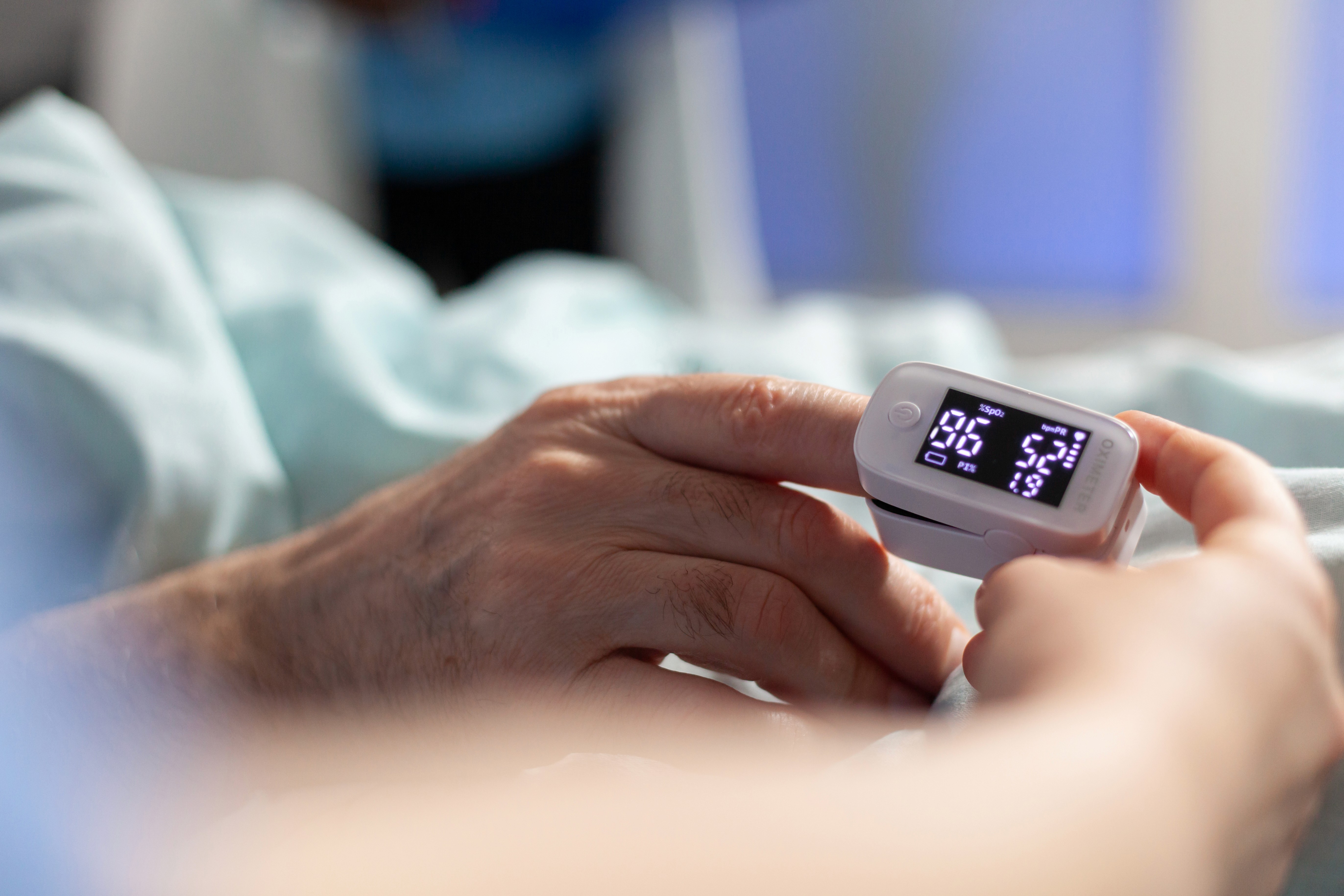
  • SpO2 (Oxygen Saturation): Measures the oxygen saturation in the blood. Provides information about the sufficiency of respiratory functions.

  • NIBP (Non-Invasive Blood Pressure): Measures the patient's blood pressure (systolic and diastolic pressure) by inflating a cuff at specific intervals.

  • Body Temperature: Tracks changes in the patient's body temperature.

  • Respiratory Rate: Indicates the number of breaths per minute.


What Parameters Do Patient Monitors Measure?


A standard bedside patient monitor collects critical data about the body's essential functions. These data include:

  • ECG (Electrocardiography): Monitors the heart's electrical activity and rhythm. The heart rate (pulse) is displayed on the screen per minute.

  • SpO2 (Oxygen Saturation): Measures the oxygen saturation in the blood. Provides information about the sufficiency of respiratory functions.

  • NIBP (Non-Invasive Blood Pressure): Measures the patient's blood pressure (systolic and diastolic pressure) by inflating a cuff at specific intervals.

  • Body Temperature: Tracks changes in the patient's body temperature.

  • Respiratory Rate: Indicates the number of breaths per minute.


What Parameters Do Patient Monitors Measure?


A standard bedside patient monitor collects critical data about the body's essential functions. These data include:

  • ECG (Electrocardiography): Monitors the heart's electrical activity and rhythm. The heart rate (pulse) is displayed on the screen per minute.

  • SpO2 (Oxygen Saturation): Measures the oxygen saturation in the blood. Provides information about the sufficiency of respiratory functions.

  • NIBP (Non-Invasive Blood Pressure): Measures the patient's blood pressure (systolic and diastolic pressure) by inflating a cuff at specific intervals.

  • Body Temperature: Tracks changes in the patient's body temperature.

  • Respiratory Rate: Indicates the number of breaths per minute.


Where Are These Systems Used?


Patient monitoring systems are standard equipment found in all medical units where close monitoring of a patient's condition is required:

  1. Intensive Care Units: These are areas where the vital functions of critically ill patients need to be monitored every second.

  2. Operating Rooms: The effects of anesthesia and surgical intervention on the body are monitored in real-time during surgical procedures.

  3. Emergency Departments: Used to quickly assess the general condition of the patient at the time of initial intervention.

  4. Inpatient Wards: Can be used for routine checks or continuous monitoring of patients undergoing treatment.


Where Are These Systems Used?


Patient monitoring systems are standard equipment found in all medical units where close monitoring of a patient's condition is required:

  1. Intensive Care Units: These are areas where the vital functions of critically ill patients need to be monitored every second.

  2. Operating Rooms: The effects of anesthesia and surgical intervention on the body are monitored in real-time during surgical procedures.

  3. Emergency Departments: Used to quickly assess the general condition of the patient at the time of initial intervention.

  4. Inpatient Wards: Can be used for routine checks or continuous monitoring of patients undergoing treatment.

Additional Image 01
Additional Image 01
Additional Image 01
Additional Image 02
Additional Image 02
Additional Image 02